
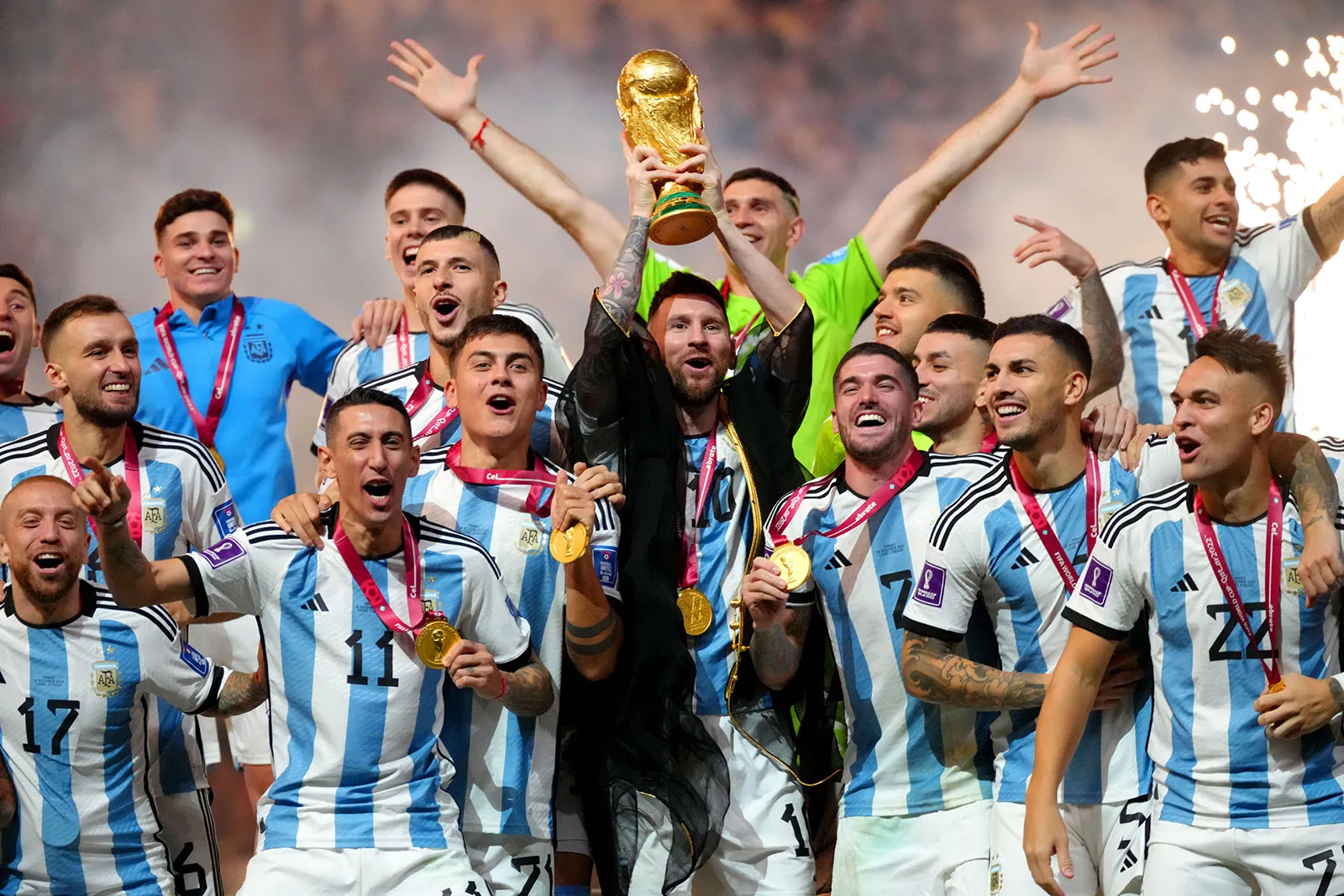
Great teams win championships.
Dynasties redefine eras.
Every generation of sport produces a handful of teams that transcend trophies and statistics. They alter tactics, reshape expectations, and set standards so high that rivals spend years trying to catch up. Their dominance feels inevitable in the moment — yet fragile in hindsight.
The question that echoes across stadiums and screens alike is timeless: Are we witnessing greatness, or the birth of a dynasty?
What Makes a Dynasty?
A dynasty is not merely a run of good form. It is sustained excellence anchored in identity.
It requires three ingredients:
- Consistency over multiple seasons
- Cultural imprint on the sport itself
- Adaptability as challengers evolve
The greatest dynasties don’t just win — they define how the game is played.
In basketball, the Golden State Warriors reimagined offensive spacing and three-point shooting during their championship run in the 2010s. Led by generational talent and system-driven play, they didn’t simply accumulate titles — they reshaped basketball strategy at every level.
In football (soccer), Manchester City F.C. under Pep Guardiola has built a model of possession dominance and tactical fluidity that continues to influence clubs worldwide.
Dynasties create blueprints.
Sustained Dominance in a Competitive Era
Modern sport is designed for parity.
Salary caps, financial regulations, draft systems, and global scouting networks aim to prevent prolonged dominance. In such an environment, sustained supremacy becomes even more remarkable.
Consider the Kansas City Chiefs in the NFL. Anchored by elite quarterback play and innovative coaching, they have positioned themselves as perennial contenders in a league known for rapid turnover.
Similarly, European football has witnessed cycles of dominance from clubs like Real Madrid CF, whose Champions League pedigree spans generations. Their ability to regenerate squads while maintaining elite performance speaks to institutional strength — a hallmark of dynasties.
In a hyper-competitive global sports ecosystem, staying on top requires more than talent. It demands infrastructure, vision, and culture.
Identity Beyond Trophies
Dynasties are cultural phenomena.
The New England Patriots under Bill Belichick and Tom Brady embodied discipline, precision, and situational mastery. Their sustained success was not flashy — it was methodical. Over time, “The Patriot Way” became shorthand for organizational excellence.
In football, FC Barcelona during the late 2000s and early 2010s represented more than victories. Their tiki-taka philosophy symbolized technical purity and positional intelligence. Young players worldwide sought to replicate the style.
Dynasties become brands. Their playing styles influence youth academies, coaching manuals, and fan identity.
They are remembered not only for what they won — but for how they won.
The Role of Leadership
Every dynasty is anchored by leadership.
Sometimes it is a transcendent athlete. Sometimes it is a visionary coach. Often, it is both.
The Chicago Bulls of the 1990s revolved around Michael Jordan’s relentless competitiveness, complemented by Phil Jackson’s psychological acumen. Their dominance felt cinematic — defined by iconic moments and unshakeable confidence.
Leadership stabilizes pressure. It absorbs expectations. It turns crisis into composure.
In today’s era of constant media scrutiny and social media commentary, mental resilience has become as critical as physical ability.
The teams defining this generation are those that thrive under relentless spotlight.
Globalization and the Modern Dynasty
Sport has never been more global.
International scouting pipelines, digital fan bases, and global broadcasting deals mean that modern dynasties operate on worldwide stages.
Clubs like Paris Saint-Germain F.C. leverage international star power to build global brands. Basketball franchises cultivate followings across Asia and Europe. Cricket teams in leagues like the IPL draw multinational audiences.
The dynasty of today must resonate beyond local markets.
It must win internationally — and capture imagination globally.
Challenges to Sustained Greatness
Yet building a dynasty is difficult. Maintaining one is harder.
Injuries disrupt momentum. Salary demands test financial structures. Rivals adapt tactically. Generational talent eventually ages.
The fine margins that separate champions from contenders can erode quickly.
Consider how quickly dominance can shift. A single playoff defeat, a transfer decision, or locker-room fracture can signal the beginning of decline.
Dynasties are powerful — but rarely permanent.
A Generation Defined
So which teams today are building legacies that will define this era?
Basketball continues to evolve around pace and perimeter shooting. European football emphasizes pressing and positional rotation. American football adapts to quarterback mobility and offensive creativity.
Across sports, a pattern emerges: successful teams combine analytics with instinct, youth development with strategic acquisitions, and institutional stability with bold innovation.
They are not accidental champions. They are engineered contenders.
The Emotional Element
Beyond strategy and statistics lies emotion.
Dynasties inspire loyalty and rivalry in equal measure. They create villains and heroes. They intensify narratives.
Fans measure eras by them:
“During the Warriors’ run…”
“In the Brady years…”
“When Barcelona ruled Europe…”
Generations of supporters attach their memories to these teams.
In that sense, dynasties shape personal history as much as sporting history.
The Fragility of Legacy
The irony of dynasties is that they often feel eternal — until suddenly they are not.
Age catches up. Leadership changes. A final championship marks the end rather than the continuation.
Yet their influence lingers. Tactical evolutions endure. Cultural standards persist.
Future teams chase the benchmark they set.
Witnessing History in Real Time
Perhaps the most intriguing aspect of dynasties is that we rarely recognize their full magnitude while they are unfolding.
It is only later, in retrospect, that patterns become clear.
The teams defining this generation are building more than records. They are crafting narratives that will frame how this era of sport is remembered.
Dynasties in the making carry both promise and pressure. Every victory reinforces the myth. Every defeat invites doubt.
But when sustained excellence meets identity, leadership, and adaptability, something greater emerges.
Not just champions.
An era.
