
Open your closet.
Is it a carefully edited collection of neutrals — each piece intentional, versatile, and restrained? Or is it a vibrant archive of textures, colors, and statements accumulated over time?
Your answer may reveal more than your aesthetic preference. It may hint at your philosophy of living.
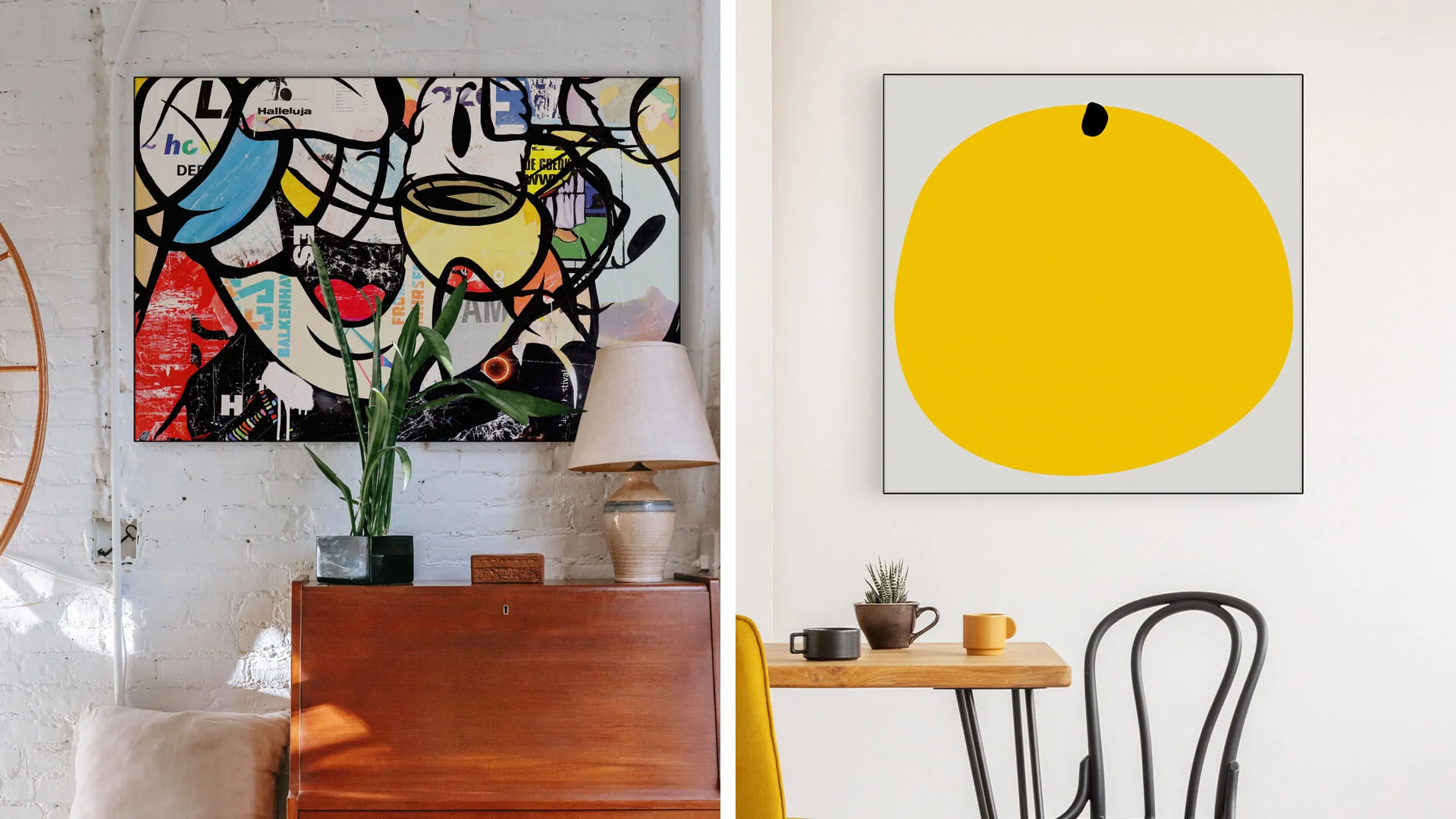
In an age defined by abundance and acceleration, two opposing design ideologies have become cultural metaphors: minimalism and maximalism. One champions subtraction. The other celebrates expression. One whispers clarity. The other declares personality.
But beyond décor trends and social media feeds lies a deeper question: Which approach truly fits your life?
The Allure of Less
Minimalism gained modern momentum in the aftermath of excess.
Economic downturns, environmental concerns, and digital overwhelm prompted many to question the logic of accumulation. Movements like those popularized by Marie Kondo reframed decluttering as emotional liberation. Owning less was no longer about austerity — it was about alignment.
At its core, minimalism is a design philosophy rooted in intentionality. Remove the unnecessary. Keep what serves a purpose or sparks genuine value. Create space — physical and mental — for what matters most.
The appeal is undeniable.
Fewer possessions mean fewer decisions. Fewer distractions. Fewer maintenance demands. A minimalist home can feel like a visual exhale.
In lifestyle terms, minimalism often extends beyond objects. It shapes calendars, social commitments, even digital habits. Inbox zero becomes symbolic of mental clarity. White space on a schedule becomes a luxury.
Minimalism promises control in a chaotic world.
The Case for More
Yet maximalism resists the narrative that simplicity is inherently superior.
Where minimalism edits, maximalism curates expansively. It embraces layers, patterns, collections, stories. It reflects personality without apology.
A maximalist environment can feel alive — textured with memories, cultural references, and emotional resonance. Bookshelves overflow not merely with titles but with lived experiences. Walls display art that sparks conversation rather than conformity.
Maximalism asserts that abundance can be meaningful when it is expressive rather than mindless.
In lifestyle terms, maximalism may mean saying yes more often — to opportunities, travel, creative pursuits. It favors richness of experience over restraint.
If minimalism seeks peace through quiet, maximalism seeks vitality through fullness.
The Psychological Dimension
Design choices are rarely just about design.
Minimalism often appeals to those craving clarity or relief from overstimulation. In high-pressure environments, clean lines and simplified spaces restore equilibrium. The aesthetic mirrors an internal desire for calm.
Maximalism, on the other hand, can function as affirmation. It signals identity, creativity, and emotional depth. For some, curated abundance feels grounding rather than overwhelming.
Neither philosophy is inherently healthier.
The key lies in awareness.
Are you removing items because they no longer serve you — or because you feel pressured to conform to a trend? Are you accumulating objects because they bring joy — or because consumption fills a temporary void?
The difference is subtle but essential.
Social Signaling and Identity
Lifestyle aesthetics also communicate values.
Minimalism often aligns with sustainability narratives. Fewer purchases imply environmental consciousness. Capsule wardrobes suggest ethical consumption. Sparse interiors signal intentional living.
Maximalism communicates cultural engagement and individuality. Vintage collections, global artifacts, and eclectic décor showcase narrative richness.
Both approaches can become performative when driven by external validation rather than personal truth.
A monochrome living room photographed for social media is not inherently more authentic than a vibrant, layered one.
The question remains: does the design reflect your life — or someone else’s algorithm?
Time, Space, and Seasonality
Life stages influence preference.
A young professional in a small urban apartment may lean toward minimalism for practical reasons. A growing family might embrace maximalism as memories accumulate in tangible form — artwork on refrigerators, souvenirs from trips, inherited furniture.
Preferences can also shift with emotional seasons.
Periods of transition often inspire decluttering. Moments of creative expansion may invite collection and experimentation.
Designing a life that fits means recognizing that neither minimalism nor maximalism is fixed. They are adaptive responses to evolving circumstances.
Digital Minimalism vs. Digital Maximalism
The debate extends beyond physical spaces.
Digital minimalism advocates for fewer apps, curated media intake, and intentional screen use. It prioritizes focus over fragmentation.
Digital maximalism embraces content abundance — podcasts, playlists, online communities — weaving diverse inputs into daily life.
Again, the question is not which is superior, but which enhances well-being.
Does your digital environment energize you or exhaust you?
Design applies as much to information consumption as to furniture placement.
Economics of Ownership
There is also a financial dimension.
Minimalism can reduce spending and redirect resources toward experiences, investments, or time flexibility. It reframes wealth as freedom from maintenance.
Maximalism, when thoughtful, supports artisanship, collecting, and cultural preservation. It values the long-term significance of objects rather than disposable consumption.
Ironically, both philosophies can resist fast consumerism.
Minimalism rejects excess purchases. Maximalism rejects generic ones.
Each, at its best, encourages discernment.
The Hybrid Reality
Most lives fall somewhere between extremes.
A minimalist workspace may coexist with a maximalist wardrobe. A calm living room may contrast with a richly layered study. A streamlined schedule may still accommodate spontaneous adventures.
The binary framing oversimplifies a nuanced spectrum.
Designing a life that fits means selecting elements from each philosophy based on context.
Perhaps your mornings are minimalist — structured, focused, uncluttered — while your weekends are maximalist — social, expressive, expansive.
Balance does not require symmetry.
It requires coherence.
The Freedom to Choose
Trends will continue to cycle.
One year celebrates Scandinavian restraint. The next revives ornate nostalgia. Influencers will declare the “end” of one aesthetic and the rise of another.
But personal design should outlast trends.
The deeper aim is not to achieve visual perfection but to cultivate alignment — between environment and intention, between possessions and priorities.
Minimalism asks: What can you remove to live better?
Maximalism asks: What can you embrace to live fully?
Both are valid inquiries.
Designing with Intention
Ultimately, the choice is less about quantity and more about clarity.
A minimalist life cluttered with anxiety is no triumph. A maximalist life weighed down by unmanaged chaos is no victory.
The goal is resonance.
When you walk into your space, does it reflect who you are becoming? When you review your commitments, do they energize rather than drain you?
Design is not confined to interiors.
It is the architecture of daily living.
Minimalism and maximalism are simply tools — lenses through which to examine what belongs and what does not.
The life that fits is not the sparsest or the fullest.
It is the one deliberately shaped, consciously edited, and unapologetically yours.
