
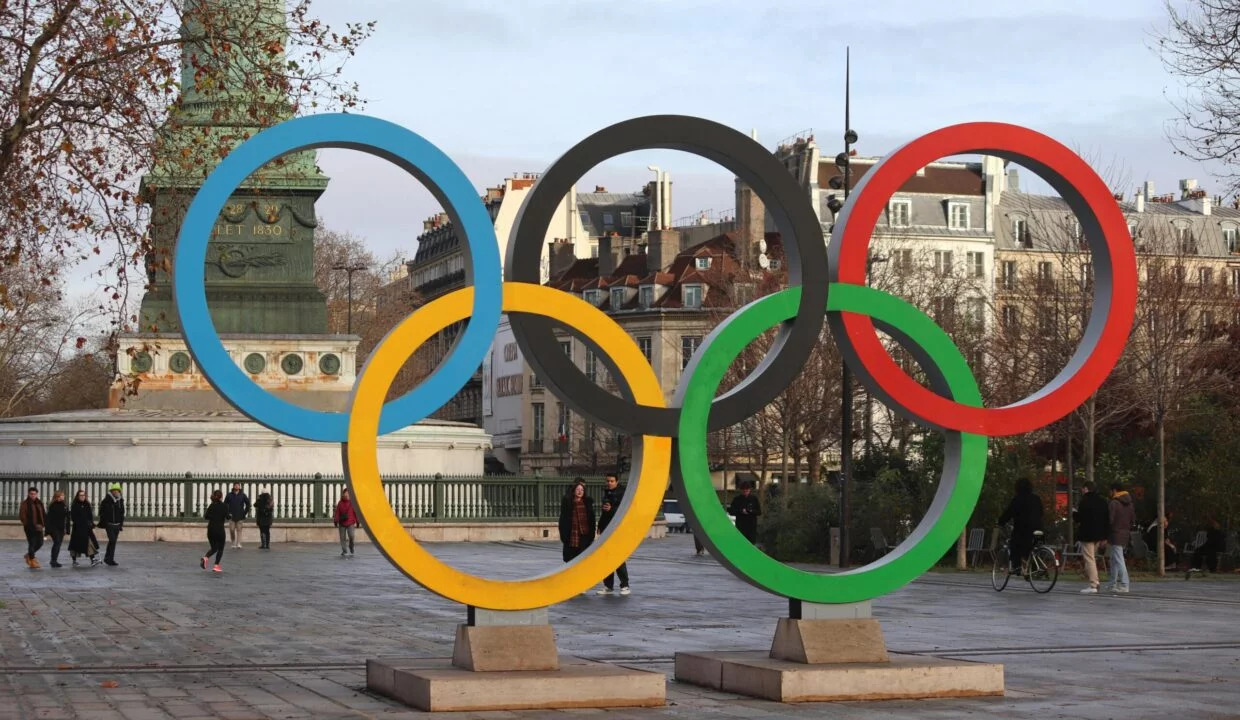
When the opening ceremony begins — fireworks igniting the sky, athletes marching behind their flags, billions watching worldwide — it may look like pure celebration.
But global sporting events are never just about sport.
They are stages for national identity, platforms for political messaging, and instruments of influence. Beneath the spectacle lies strategy. Beneath the medals lies diplomacy.
In the modern era, stadiums have become arenas not only of competition — but of soft power.
The Stadium as a Diplomatic Arena
Soft power, a term popularized by political scientist Joseph Nye, refers to the ability of a country to influence others through attraction rather than coercion. Culture, values, and international image become tools of persuasion.
Few platforms project those elements as powerfully as global sporting events.
When a nation hosts the Olympic Games or the FIFA World Cup, it does more than organize matches. It curates a global narrative.
The host nation showcases infrastructure, hospitality, technological sophistication, and cultural heritage. Carefully choreographed ceremonies tell stories of history and aspiration. Broadcast images reach audiences across continents.
For a few weeks, the world sees the country not through headlines of conflict or economic data — but through celebration, symbolism, and spectacle.
That visibility is influence.
Prestige, Perception, and Projection
Hosting a mega-event signals capability. It implies stability, resources, and organizational competence.
The Beijing 2008 Summer Olympics marked a defining moment for China’s global image. The scale and precision of the opening ceremony conveyed ambition and modernity. It was not merely a sporting showcase — it was a declaration of arrival on the world stage.
Similarly, the London 2012 Summer Olympics emphasized cultural creativity and diversity, reinforcing Britain’s brand as both historic and contemporary.
More recently, the 2022 FIFA World Cup allowed Qatar — a small but strategically significant Gulf state — to amplify its global profile. Massive investments in infrastructure and global media campaigns were not just about football; they were about visibility and influence.
In each case, the event functioned as geopolitical theater.
Sport as Bridge — and Battleground
Sport has often been described as a universal language. It can bridge divides when formal diplomacy stalls.
During the Cold War, so-called “ping-pong diplomacy” helped thaw relations between the United States and China. Friendly competition opened doors where official channels struggled.
Even today, athletes competing under neutral flags, joint teams, or symbolic gestures remind audiences that shared humanity can transcend politics.
Yet global sporting events are equally capable of becoming battlegrounds for political tension.
Boycotts, protests, and symbolic gestures have long shaped the political undercurrent of international competitions. The 1980 Summer Olympics in Moscow were boycotted by several Western nations following the Soviet invasion of Afghanistan. Four years later, the 1984 Summer Olympics faced retaliatory boycotts from Eastern Bloc countries.
The field of play may be neutral, but the political climate rarely is.
Economic Power and Global Influence
Mega-events are also economic statements.
Bidding for the Olympics or World Cup involves years of diplomatic engagement, lobbying within international sports bodies, and strategic coalition-building.
Organizations like International Olympic Committee and FIFA wield enormous influence, effectively selecting which cities — and by extension which nations — gain the spotlight.
For emerging economies, hosting can signal upward mobility. For established powers, it can reaffirm leadership.
But the financial costs are enormous. Stadium construction, transportation upgrades, and security measures often exceed initial projections. Critics argue that the economic returns rarely match the investment.
Yet governments continue to compete fiercely for hosting rights — because influence is difficult to quantify but powerful to command.
Image Management and Scrutiny
Soft power cuts both ways.
While global events offer opportunities for image enhancement, they also invite scrutiny.
Human rights concerns, labor practices, environmental impact, and governance issues frequently accompany major tournaments. Media attention intensifies, and international advocacy groups use the spotlight to amplify criticism.
Hosting becomes a double-edged sword: an opportunity to reshape perception, but also a moment when global attention magnifies domestic realities.
In an interconnected media landscape, narrative control is elusive.
Athletes as Ambassadors
The politics of global sporting events extend beyond governments.
Athletes themselves often become symbols of national aspiration or protest. Medal ceremonies, gestures on podiums, and public statements can reverberate far beyond the arena.
Modern athletes command global followings on social media, amplifying their influence. Their voices shape conversations about equality, justice, and governance.
In this sense, soft power is no longer monopolized by states. It is shared — sometimes contested — by individuals who command global audiences.
The Global Audience
Perhaps the most transformative element of modern sporting events is scale.
Billions tune in to watch World Cup finals and Olympic ceremonies. Digital platforms extend engagement beyond television broadcasts. Fans participate in real time across borders.
This shared experience fosters a sense of global community — however temporary.
For host nations, the ability to shape that shared experience becomes a strategic asset. Visual narratives, storytelling, branding, and digital diplomacy converge.
In an era where perception shapes policy, such exposure matters.
Beyond the Medal Count
Global sporting events do not rewrite geopolitical realities overnight. They do not resolve territorial disputes or eliminate economic inequality.
But they influence tone, perception, and relationships.
They create openings for dialogue. They reinforce alliances. They test reputations. They project identity.
In a world increasingly defined by competition among major powers, soft power has become an essential complement to economic and military strength.
The field, the track, the court — these are not isolated from politics. They are extensions of it.
The Power of Attraction
As the next cycle of Olympic Games and World Cups approaches, nations will once again invest billions for the chance to host.
They will do so not merely for tourism or ticket sales.
They will do so because influence today is shaped as much by attraction as by coercion.
When the final whistle blows and the stadium lights dim, medals are tallied and champions crowned.
But the deeper contest — the contest for image, legitimacy, and global standing — continues long after the games end.
On the field, athletes compete for victory.
Off the field, nations compete for something just as valuable:
The power to be admired, remembered, and followed.
