
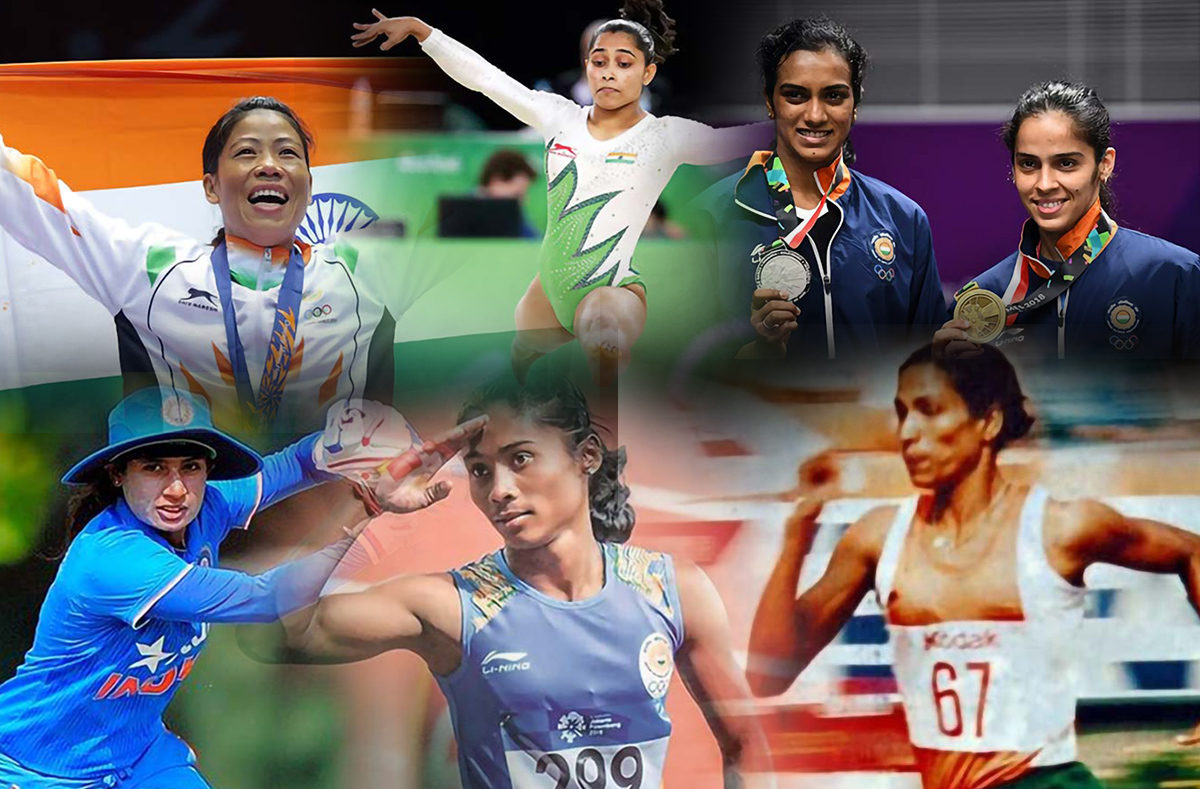
For decades, women’s sports existed in the margins — underfunded, under-broadcast, and underestimated.
Today, stadiums are selling out. Television ratings are breaking records. Sponsorship deals are expanding. Young girls are growing up with visible heroes who look like them.
This is not a fleeting trend. It is a structural shift.
Women’s sports are entering a new era of visibility — and with that visibility comes influence, investment, and long-overdue recognition.
From Struggle to Spotlight
The fight for equity in sport has been long and uneven.
In the United States, Title IX transformed opportunities for women in school athletics, laying the groundwork for broader participation. Globally, pioneers pushed for equal pay, professional leagues, and institutional support.
Yet even as participation increased, visibility lagged. Broadcast time was limited. Sponsorship dollars were scarce. Media narratives often framed women’s competitions as secondary.
That imbalance is now being challenged — not only by advocacy, but by undeniable performance and market demand.
Record-Breaking Moments
Recent tournaments have signaled a turning point.
The 2023 FIFA Women’s World Cup shattered attendance and viewership records, drawing global audiences in the hundreds of millions. Matches filled stadiums in Australia and New Zealand, while dramatic storylines captivated international fans.
In club football, teams like FC Barcelona Femení have packed iconic venues, demonstrating that elite women’s football can command the same grand stages traditionally reserved for men.
In basketball, the Women’s National Basketball Association has seen surging attendance and media coverage, fueled by a new generation of stars and growing cultural relevance.
These are not isolated spikes. They reflect momentum.
Investment and Commercial Power
Visibility attracts capital.
Major brands are increasingly recognizing the marketing value of women athletes. Sponsorship portfolios are expanding beyond symbolic gestures into long-term partnerships.
Broadcast networks are signing more substantial rights deals. Streaming platforms are dedicating prime placement to women’s competitions. Social media has amplified individual athlete brands, allowing players to connect directly with fans worldwide.
The business case is strengthening: audiences are engaged, loyal, and expanding.
Importantly, investors are beginning to treat women’s leagues not as charitable ventures, but as growth markets.
Athletes as Cultural Icons
Modern women athletes are more than competitors — they are cultural leaders.
Figures such as Serena Williams transcended tennis to influence conversations about equality, resilience, and identity. Megan Rapinoe became a global voice for equal pay and social justice.
Today’s rising stars operate in a media ecosystem where personality, advocacy, and performance intersect. Their influence extends beyond scoreboards into boardrooms and policy debates.
Representation matters. And increased visibility is reshaping cultural expectations about leadership, strength, and ambition.
The Role of Media and Digital Platforms
The transformation of women’s sports is inseparable from media evolution.
Traditional gatekeepers once dictated airtime and coverage priorities. Now, digital platforms allow highlights to circulate instantly, fan communities to mobilize organically, and narratives to flourish outside conventional broadcast structures.
Athletes cultivate global followings through social media. Viral moments spark mainstream attention. Younger audiences, less bound by legacy hierarchies, embrace women’s competitions as integral to the sporting landscape.
Visibility is no longer entirely dependent on legacy networks.
Structural Challenges Remain
Despite remarkable progress, disparities persist.
Pay gaps between men’s and women’s leagues remain significant in many sports. Media coverage, though improving, is not yet proportionate. Investment levels vary dramatically by region and discipline.
Infrastructure also matters. Youth development systems, professional pathways, and medical resources must continue expanding to sustain growth.
The current surge in popularity must translate into long-term institutional support.
Momentum is powerful — but it must be reinforced.
Global Expansion
The rise of women’s sports is not confined to one country or one discipline.
Cricket leagues in India and Australia are drawing substantial crowds. Women’s rugby tournaments are gaining prominence. Track and field continues to showcase global stars who command international attention.
In football, traditional powerhouses are being joined by emerging nations, creating competitive diversity that strengthens the product.
This globalization reflects a broader truth: talent has always been present. Opportunity is catching up.
A Generational Shift
Perhaps the most significant transformation is cultural.
Young fans today grow up expecting women’s competitions to be televised, analyzed, and celebrated. Girls see pathways to professional careers that once seemed improbable.
Sponsors and executives increasingly view women’s sports not as a niche category, but as essential to long-term growth strategies.
This is not merely inclusion. It is integration.
Beyond Visibility
Visibility is only the first step.
True parity involves equal access to resources, facilities, medical support, and career longevity. It requires leadership representation in coaching and management. It demands consistent investment even when novelty fades.
But visibility changes perception — and perception drives opportunity.
When stadiums are full and ratings are high, arguments about market viability lose credibility.
A New Era
The rise of women’s sports signals more than expanded programming. It reflects shifting cultural values, evolving business logic, and generational change.
Athletic excellence has never been gendered. What has changed is the platform.
As global audiences tune in, as investors commit capital, and as young athletes envision futures without limits, a new era takes shape.
Women’s sports are no longer emerging.
They are establishing.
And in this era of visibility, the narrative is not about catching up.
It is about leading forward.
